
NEUROPELVEOLOGY
The Story of a Discipline Born From One Vision
WHAT WE TREAT – The Human Reality Behind Pelvic Neuropathies
Pelvic neuropathies affect millions of people worldwide, yet remain among the most underdiagnosed disorders in medicine. They can cause severe pelvic pain, bladder and bowel dysfunction, sexual dysfunction, mobility impairment, and profound psychological distress.
For many patients, these conditions dominate every aspect of daily life. Chronic pain, sleepless nights, repeated medical consultations, loss of work, social isolation, and broken relationships become a devastating reality. Too often, patients spend years without a diagnosis or are told that nothing is wrong.
Over the past two decades, Marc and Silke Possover have witnessed these stories firsthand. These experiences inspired the creation of the European Neuropathy Foundation.
Our mission is simple:
-
Earlier diagnosis
-
Better understanding of pelvic nerve disorders
-
Access to specialized treatment
-
Education of healthcare professionals
-
Restoration of dignity, function, and quality of life
Because treating pelvic neuropathies is not only about relieving pain—it is about giving people their lives back.
The Foundation exists to change these trajectories — to restore dignity, hope, autonomy, and the possibility of a normal life.
Reversing the Burden of Pelvic Neuropathies: The Neuropelveology Approach
Pelvic neuropathies affect millions of people worldwide and are a major cause of chronic pain, pelvic organ dysfunction, disability, and healthcare expenditure. Neuropelveology offers a comprehensive approach by identifying and treating the underlying dysfunction of the pelvic and autonomic nervous systems.
Depending on the underlying cause, treatment may include:
-
Laparoscopic nerve decompression for pelvic neurovascular entrapment
-
Genital Nerve Stimulation (GNS) to restore pelvic organ function
-
The LION Procedure to improve mobility after spinal cord injury
Together, these therapies represent the next generation of pelvic bioelectronic medicine, restoring neural function rather than simply managing symptoms.
Restoring pelvic nerve function has the potential to reduce not only pain and bladder dysfunction, but also many costly secondary complications, including:
-
Depression and social isolation
-
Immobility and sarcopenia
-
Osteoporosis
-
Pressure ulcers
-
Loss of independence and quality of life
Neuropelveology aims to interrupt the vicious cycle of pain → immobility → systemic decline, giving patients back function, autonomy, and dignity.
The Origins of Neuropelveology
Neuropelveology was founded by Prof. Marc Possover more than 25 years ago through the integration of advanced laparoscopic surgery, pelvic neuroanatomy, and neurophysiology.
While performing complex pelvic cancer and deep endometriosis surgery in the mid-1990s, he began exploring pelvic neural structures that had traditionally been considered inaccessible. This pioneering work led to the development of the first laparoscopic nerve-sparing techniques and revealed the intricate anatomy and function of the pelvic nervous system.
These discoveries culminated in the establishment of Neuropelveology (2005)—a multidisciplinary field dedicated to the diagnosis and treatment of pelvic nerve disorders, including neuropathic pelvic pain, pelvic organ dysfunction, and neurological complications related to endometriosis, pelvic surgery, trauma, and spinal cord injury.
Major milestones
-
1995 – Development of the first laparoscopic pelvic nerve-sparing techniques
-
2003 – First LION Procedure for restoring standing and voluntary movement after spinal cord injury
-
2005 – Establishment of Neuropelveology and introduction of the first sacral LION procedure for pelvic neuropathic disorders
-
2014 – Foundation of the International Society of Neuropelveology (ISON) to promote international education, certification, research, and standards of care
Today, Neuropelveology has evolved into an international multidisciplinary field that continues to advance pelvic nerve surgery, functional rehabilitation, pelvic neuromodulation, and pelvic bioelectronic medicine through scientific research, education, technological innovation, and global collaboration—all with the goal of improving the lives of patients with pelvic nerve disorders.
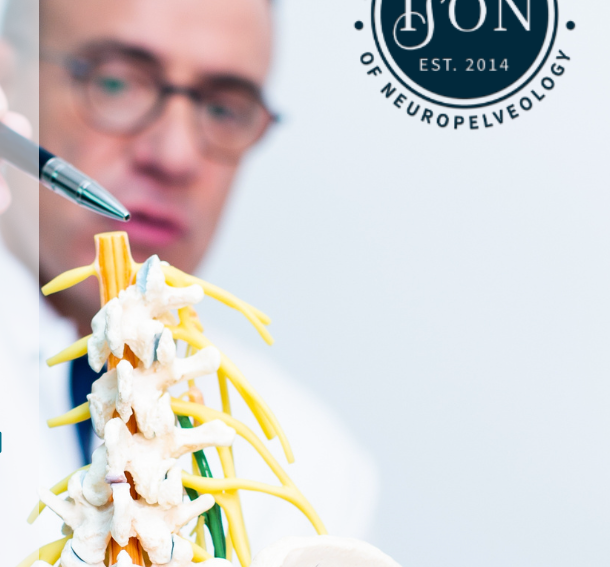

Pelvic Nerve Surgery
Treating the Cause, Restoring the Function
From Nerve Preservation to a New Surgical Discipline
Neuropelveology evolved from the pioneering development of laparoscopic nerve-sparing pelvic surgery in the 1990s. What began as the preservation of pelvic nerves during complex cancer and endometriosis surgery has evolved into a new surgical discipline dedicated to the diagnosis and treatment of pelvic nerve disorders.
Today, laparoscopic pelvic nerve surgery enables surgeons to identify, preserve, decompress, and reconstruct pelvic nerves, addressing the anatomical causes of neuropathic pelvic pain and pelvic organ dysfunction rather than treating symptoms alone.
Why It Matters
Unlike conventional pain management, which often focuses on symptom control, Neuropelveology aims to treat the underlying cause of disease. Depending on the diagnosis, surgery may restore nerve function, relieve chronic pain, improve bladder, bowel, and sexual function, and reduce long-term disability.
Key Surgical Indications
-
Deep endometriosis involving the pelvic nerves
-
Pelvic nerve tumours, including schwannomas
-
Pelvic neurovascular entrapment syndromes
-
Neurological complications following pelvic surgery or trauma
-
Selected connective tissue disorders associated with recurrent nerve compression
A New Surgical Frontier
Today, laparoscopic pelvic nerve surgery is practiced internationally and represents a cornerstone of modern Neuropelveology—bringing together advanced microsurgical techniques, functional neuroanatomy, and precision medicine to restore nerve function and improve patients' quality of life.
GNS & LION: Introducing Neuromodulation into Women’s Health
A New Therapeutic Path for Gynecology
For decades, neuromodulation remained largely outside the field of gynecology, leaving millions of women without access to advanced treatments for pelvic organ dysfunction and chronic pelvic pain.
Neuropelveology changed this paradigm by introducing Genital Nerve Stimulation (GNS)—a minimally invasive approach that enables gynecologists to provide targeted pelvic neuromodulation. By stimulating the genital branch of the pudendal nerve, GNS can improve bladder, bowel, pelvic floor, and sexual function while addressing chronic pelvic pain and autonomic dysfunction.
The LION Procedure
Alongside GNS, Prof. Marc Possover developed the LION Procedure (Laparoscopic Implantation of Neuroprostheses), a groundbreaking technique for spinal cord injury rehabilitation.
Applied in more than 150 patients, the procedure has demonstrated remarkable functional outcomes:
-
93% regain independent standing
-
70% recover assisted walking
-
Restoration of voluntary lower-limb movement through electrical stimulation
-
Improvement of bladder, bowel, sexual, and autonomic function
-
Reduced risk of pressure ulcers and osteoporosis through restored mobility
-
Beyond Neuromodulation
Together, GNS and the LION Procedure have expanded pelvic neuromodulation beyond urology and pain medicine into gynecology, neurorehabilitation, and pelvic bioelectronic medicine.
Rather than simply suppressing symptoms, these technologies aim to restore neural function, improve organ control, enhance mobility, and return patients to an active and independent life.
They represent the foundation of modern Neuropelveology—and an important step toward the future of bioelectronic medicine.

Bioelectronic Medicine & AI: The Future of the
E-Body
From Pelvic Neuromodulation to Whole-Body Bioelectronic Medicine
Neuropelveology has expanded beyond pelvic nerve surgery into the emerging field of pelvic bioelectronic medicine. Building on innovations such as Genital Nerve Stimulation (GNS) and the LION Procedure, the concept has evolved from restoring pelvic organ function to modulating biological systems through targeted electrical interfaces.
This vision has been described as the e-Body—a future in which disease is treated by interacting directly with the body's own neural circuits rather than relying exclusively on pharmacological therapies.
The Role of Artificial Intelligence
Artificial intelligence is expected to transform bioelectronic medicine by enabling implants to interpret physiological signals in real time and automatically adapt stimulation to each patient's needs.
The combination of neural interfaces, adaptive algorithms, and continuous physiological monitoring has the potential to create personalised, self-optimising therapies that evolve with the patient.
Beyond Pelvic Disorders
Pelvic bioelectronic medicine may ultimately extend far beyond pelvic disease. Research suggests that modulation of autonomic pathways could influence multiple physiological systems, including:
-
Bone metabolism and osteoporosis
-
Muscle preservation and sarcopenia
-
Bladder, bowel, and sexual function
-
Inflammation and immune regulation
-
Mood disorders and chronic pain
-
Functional recovery after neurological injury
The Next Frontier
The e-Body represents the convergence of Neuropelveology, bioelectronic medicine, artificial intelligence, and precision medicine.
Rather than replacing conventional therapies, it offers a new paradigm: restoring physiological function by intelligently interacting with the body's own neural networks.
The European Neuropathy Foundation supports research, education, and international collaboration to advance this vision and accelerate the clinical translation of bioelectronic medicine for patients worldwide.
Guidelines, Education & ISON Certification
Building the Global Standards of Neuropelveology
Neuropelveology has grown into an international discipline with its own scientific foundations, clinical pathways, and therapeutic algorithms. To guarantee excellence and patient safety worldwide, formal Guidelines in Neuropelveology are currently being developed, defining diagnostic criteria, surgical indications, neuromodulatory protocols, and evidence-based therapeutic pathways. These guidelines mark a decisive moment: the transition of Neuropelveology from a pioneering field to a recognised medical standard.
Education as the Heart of the Discipline
For more than two decades, education has been a central mission of Prof. Possover’s work. Today, training in Neuropelveology is structured, accessible, and available globally. Workshops, cadaveric dissections, webinars, interactive case conferences, and hybrid programs provide physicians with the skills required for pelvic nerve examination, diagnostic reasoning, and surgical or neuromodulatory techniques. Every year, international congresses — in Zurich, Istanbul, Paris and other key cities — bring together specialists from gynecology, neurosurgery, urology, orthopedics, and pain medicine. These meetings create a unique environment for knowledge exchange, innovation, and collaborative research.
ISON Certification: Ensuring Excellence Worldwide
The International Society of Neuropelveology (ISON) serves as the official global authority for education and certification in the field. Its structured certification pathway ensures that clinicians acquire the competencies necessary to offer safe and effective neuropelveological care.
-
Level 1 Certification provides a complete theoretical foundation through e-learning and webinars.
-
Level 2 Certification includes hybrid or on-site cadaveric workshops and hands-on training.
-
Level 3 Certification represents the highest level, reserved for those who master advanced surgery, neuromodulation techniques, clinical diagnostics, and research contributions.
These certifications create a unified international standard and ensure that patients worldwide receive care that reflects the scientific rigor and ethical values of the discipline.
A Global Commitment to Patients
With guidelines, structured education, and formal certification, Neuropelveology is becoming a global movement — united by one purpose:
to understand, treat, and ultimately prevent pelvic neuropathic pain and dysfunction by addressing their true cause.
This educational ecosystem forms the backbone of the European Neuropathy Foundation’s mission: spreading knowledge, supporting clinicians, and bringing life-changing treatments to patients worldwide.
